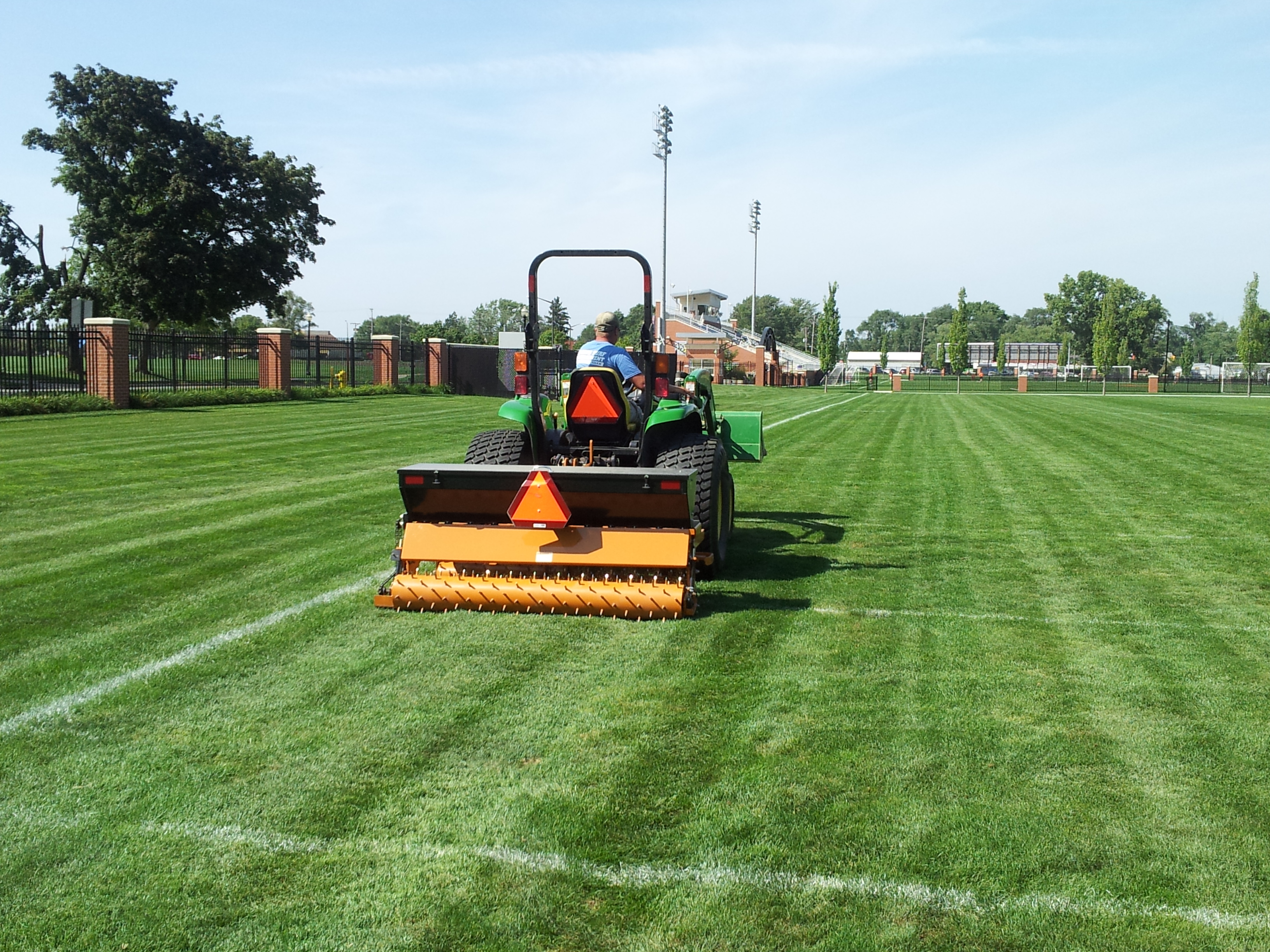
Artificial turf is not a zero-maintenance product — it is a dramatically lower-maintenance alternative to natural grass. Understanding that distinction is important for homeowners and commercial property managers who have made the investment in synthetic turf and want to protect it through the years. Regular professional maintenance extends installation life, preserves surface performance, and prevents small issues from becoming costly repairs.
Artificial Turf of Wylie offers maintenance and repair services throughout the east-Collin growth corridor for both our own installations and systems installed by other contractors. We have seen the full range of product types and installation approaches used in this market, and our crews can assess and service virtually any residential or commercial synthetic turf system.
Why Maintenance Matters for East-Collin Turf Installations
The east-Collin County climate creates specific maintenance priorities that differ from milder markets. Understanding these priorities helps homeowners develop a maintenance approach that keeps their turf looking and performing its best.
Texas Summer Debris Load
North Texas summers bring heat, occasional storm events, and the debris loads that come with mature trees dropping seed pods, cottonwood fluff, and general organic material across turf surfaces. Debris that accumulates in the fiber pile and infill layer can create drainage problems, contribute to odor in pet areas, and provide a substrate for organic growth if left unaddressed. Periodic debris removal — either manual raking or power blowing — prevents buildup from affecting drainage performance.
Infill Compaction and Redistribution
The silica sand or crumb rubber infill in artificial turf compacts and redistributes under traffic over time. Areas with consistent, heavy foot traffic — the back door zone, the dog run path, the primary family gathering area — will develop lower infill levels than surrounding areas, causing blade flattening and reduced surface cushioning. Annual professional infill assessment and redistribution, with infill addition where needed, restores surface performance and appearance.
Heatwave and UV Exposure Effects
East-Collin County's summers include extended periods of direct UV exposure and heat that can gradually affect artificial turf product appearance over years of exposure. UV-stabilized fiber coatings in quality products slow this process significantly, but periodic professional assessment can identify early fading or degradation in exposed areas and catch any seam or edge issues before they develop into larger problems.
Maintenance Services We Provide
Routine Professional Maintenance Visits
Our routine maintenance service includes surface brushing with a power broom to restore blade elevation in compacted areas, debris removal from the fiber and infill layers, infill level assessment and redistribution, perimeter and seam inspection, and drainage assessment to confirm that water movement performance is maintained.
Deep Cleaning Service
Deep cleaning addresses accumulated organic material, pet odor, and general surface contamination that routine rinsing does not fully address. We apply enzyme-based cleaning solutions appropriate for synthetic turf, work them into the fiber with brushing equipment, and flush the surface with water to remove the loosened material and cleaning solution. Deep cleaning is particularly valuable for pet-heavy applications and high-traffic commercial surfaces.
Odor Treatment for Pet Turf
Pet turf installations in the east-Collin growth corridor's dog-owner-heavy household base often benefit from periodic odor treatment beyond routine rinsing. We apply professional-grade antimicrobial and enzyme treatments to pet zones that neutralize odor sources at the fiber and infill level rather than masking them. This service is most commonly needed in summer months when heat accelerates bacterial activity in pet-use areas.
Repair Services We Provide
Seam Repair
Seams between turf panels are the most common repair location in artificial turf systems. Seams can separate due to thermal expansion and contraction, heavy edge traffic, improper original installation, or simple adhesive degradation over time. Our seam repair process involves removing the failed adhesive, properly preparing both turf panel edges, applying fresh seaming adhesive, and securing the seam under appropriate pressure until cured.
Edge and Perimeter Repair
Perimeter edges that have lifted, shifted, or become exposed are both an aesthetic problem and a safety issue. We re-anchor loose perimeter edges using appropriate nail patterns or concrete anchors, and we repair any damaged edging material at the perimeter.
Panel Replacement for Damaged Sections
Damaged turf sections — from pet digging, sharp object contact, heat damage, or heavy equipment on the surface — can be replaced without removing the entire installation. We cut out the damaged section, remove the material to the base, prepare the base in the affected area, and install a new turf panel cut to match the removed section. Seaming the new panel to the surrounding existing turf completes the repair.
Drainage Remediation
Standing water or slow drainage after installation indicates a drainage system issue — typically infill compaction blocking backing perforation, debris accumulation in the drainage layer, or base settlement creating low spots. We diagnose the specific cause and implement the appropriate remediation, from deep cleaning and infill replacement to base regrading in severe cases.
Serving the Full East-Collin Growth Corridor
Artificial Turf of Wylie maintains and repairs artificial turf systems throughout Wylie (all neighborhoods and phases), Murphy, Sachse, Allen, McKinney, Plano, Richardson, Lucas, Fairview, Frisco, Princeton, Lavon, Parker, Rowlett, and Rockwall. We service our own installations and systems installed by other contractors.
Contact us at to schedule a maintenance visit or request repair assessment.