Residential artificial turf installation in the Wylie and east-Collin growth corridor is not a generic product category — it is a response to a specific, well-documented problem that thousands of homeowners in Bozman Farm, Inspiration, Murphy's Hampton Heights, Sachse Trail, and Grand Heritage Lavon face every single year. Builder-installed sod goes in on a compressed timeline, sits on a clay and construction-fill sub-base, and begins failing by the first or second summer. The heat, the irrigation restrictions, the Collin County clay, and the heavy-use patterns of an active family household combine to create a natural lawn that demands constant attention and still underdelivers.
Artificial Turf of Wylie built its residential installation practice around this reality. We are not a company that adapted a commercial turf business to residential work. We started with the post-2010 master-planned homeowner in mind — the Wylie East buyer, the Bozman Farm phase-five family, the Murphy Hampton Heights household that moved from a closer-in suburb and expected their new yard to perform better than the old one. We know these lot profiles, we know what the builder-sod failure patterns look like, and we know what it takes to install a synthetic lawn that holds up for fifteen-plus years on a newer-construction east-Collin lot.
What Makes Growth-Corridor Residential Turf Different
The residential artificial turf market in the Wylie-Murphy-Sachse corridor has specific characteristics that distinguish it from installations in older, more established suburban markets. Understanding those characteristics is what separates a properly designed installation from one that looks fine on day one but develops problems over the first few seasons.
Clay Sub-Base Management
East Collin County's residential lots sit on expansive clay. Builder grading compacts that clay further during construction, and the sod is installed directly on top with minimal topsoil buffer. When we assess a newer Wylie or Murphy residential yard for artificial turf conversion, we are looking at a sub-base that cannot be taken for granted. The crushed aggregate base we install over that clay needs to be designed for east-Collin drainage conditions — adequate depth, appropriate gradation, and perimeter drainage that moves water off the synthetic surface and away from the foundation without creating pooling problems along the fence line.
Smaller Lot Profiles and Design Efficiency
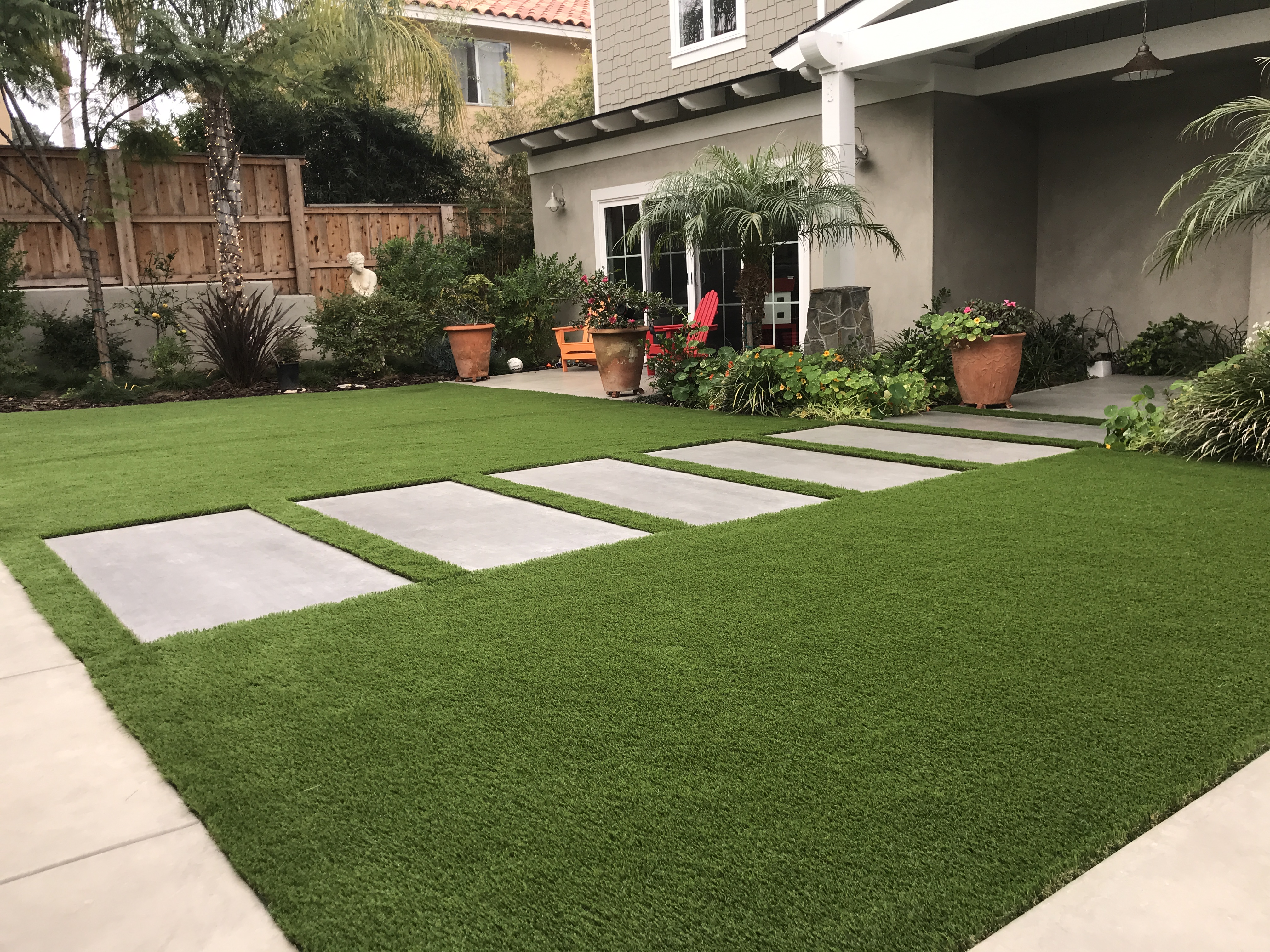
Post-2010 master-planned lots in Wylie, Murphy, and Sachse tend to be smaller than older suburban lots in the same price range. Backyards of 1,200 to 2,200 square feet are common. On these tighter lots, design efficiency matters — every square foot of installation needs to contribute to the usable outdoor space, which means clean perimeter edging, thoughtful transitions to existing hardscape, and a surface that flows naturally from patio to lawn without awkward cuts or seams.
HOA Compatibility
Many Bozman Farm, Inspiration, Hampton Heights, and Stoneridge homeowners operate under HOA covenants with landscaping standards. We work with homeowners to confirm product compatibility and navigate approval processes before installation begins. The key is product quality — high-grade synthetic turf with realistic multi-tonal fibers and appropriate pile height consistently meets or can be approved under HOA landscape standards throughout the east-Collin corridor.
Our Residential Installation Process
Every residential artificial turf installation begins with a free on-site assessment. We do not estimate from satellite imagery or square footage alone — we walk the yard, assess drainage, check grade, evaluate existing hardscape transitions, and discuss how the family uses the space. That information shapes the installation design before we quote it.
Sub-Base Preparation
We excavate existing sod and a calculated depth of soil to accommodate the base system. In east-Collin clay conditions, the base typically includes a compacted decomposed granite layer over a weed barrier fabric, graded to direct drainage to perimeter outlets. We do not cut corners on base depth — this is the variable that determines whether the turf drains correctly in year ten the same way it did in year one.
Turf Selection and Specification
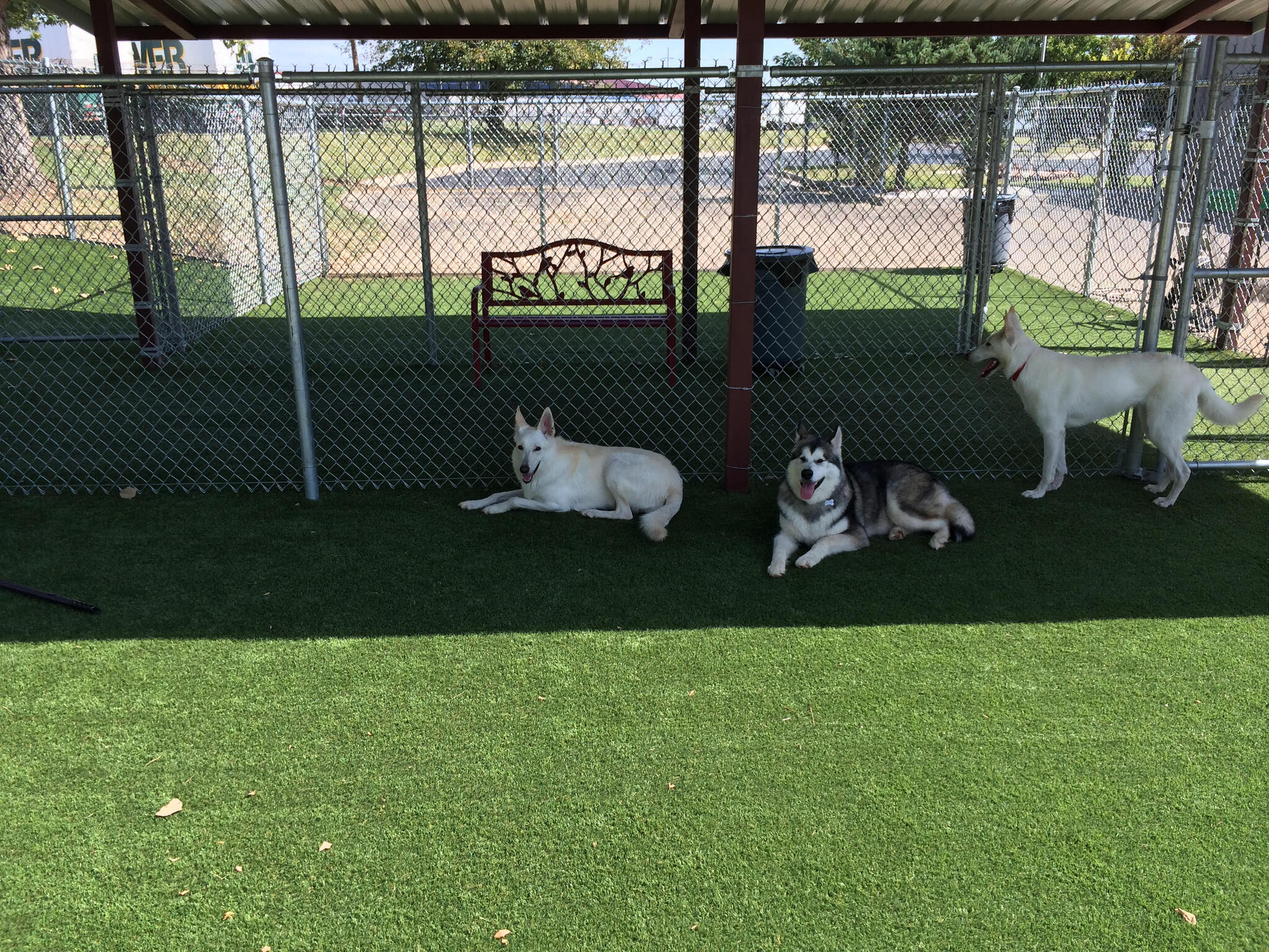
We offer multiple turf products calibrated for residential residential use, including options optimized for pet-heavy households, high-sun exposure, and shade-dominant yards. Every residential installation includes UV-stabilized fibers — non-negotiable in the Texas climate where sun angle and intensity accelerate degradation in lower-grade products.
Installation and Finishing
Turf is cut to fit, seamed where necessary with professional adhesive and seaming tape, and anchored at perimeters with nails or concrete anchors depending on the edging type. Infill — typically a silica sand and crumb rubber blend, or a sand-only product for pet applications — is applied and worked into the fiber with a power broom to achieve proper blade elevation and surface stability.
Post-Installation Walk-Through
Before we leave, we walk the completed installation with you, demonstrate how to maintain the surface with periodic brushing and rinsing, and address any questions about the product warranty and long-term care.
Service Territory
Artificial Turf of Wylie serves residential clients across the east-Collin growth corridor, including Wylie (all phases of Bozman Farm, Inspiration, Birmingham Farms, Wylie East, Springwood, and Riverchase), Murphy (Hampton Heights, Stoneridge, Maxwell Creek), Sachse (Sachse Trail, Heritage Park), Lavon (Grand Heritage), Princeton, Parker, Allen, McKinney, Plano eastern, Richardson, Lucas, Fairview, Frisco, Rowlett, and Rockwall.
Call to schedule your free residential assessment.